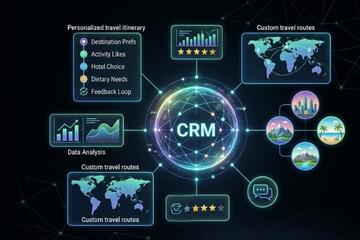
CRM services help travel agencies manage customer relationships, organise bookings and deliver personalised travel experiences more effectively. A modern CRM system allows travel businesses to improve customer communication, understand traveller preferences and increase repeat bookings through better customer engagement. In today’s competitive travel industry, CRM software has become essential for improving customer satisfaction and supporting long term business growth.

What Is CRM?

CRM stands for Customer Relationship Management. It is a software system that helps businesses keep all customer information in one place. Companies use CRM software to manage customer details, sales, messages, bookings and support requests more easily. It helps businesses build better relationships with customers and improve customer service.

How CRM Works

CRM stands for Customer Relationship Management. It is a software system that helps businesses manage customer information, communication and interactions in one organised place. CRM services help companies track customer enquiries, sales, preferences and support history to improve customer experiences and business operations.

Businesses use CRM software to improve customer communication, manage leads, organise data and create personalised services. In industries like travel, CRM systems help agencies manage bookings, understand customer preferences and build stronger long term customer relationships.

Why CRM Is Important

CRM software helps businesses improve customer satisfaction and grow more effectively. When businesses understand customer behaviour and preferences, they can provide more personalised services and better recommendations. Good customer communication often leads to stronger trust and repeat business.

CRM systems also help companies save time by organising daily tasks automatically. Businesses can send reminders, manage appointments, track sales and handle customer support more efficiently.

How Different Teams Use CRM

Sales teams use CRM systems to manage leads, track sales and follow customer enquiries. Customer support teams use CRM software to handle support tickets and solve customer problems quickly. Marketing teams use CRM tools to send emails, manage campaigns and understand customer interests.

Benefits of CRM for Businesses

CRM development services help businesses improve teamwork, organise customer data and increase productivity. A modern CRM platform gives companies a complete view of each customer, helping them provide better experiences and build long term customer relationships.

Many industries such as travel, healthcare, retail and education now use CRM software to improve customer communication, manage business operations and support business growth.

CRM in Modern Travel Experiences

The travel industry has changed rapidly in recent years. Modern travellers expect more than simple holiday bookings and flight confirmations. They want travel experiences that match their interests, budgets, lifestyles and future plans. Customers now expect quick replies, personalised offers and meaningful communication from the first enquiry to the final day of their trip. This shift has encouraged travel businesses to improve the way they manage customer relationships and travel data.

CRM services have become one of the most important digital tools for travel agencies that want to understand customer behaviour and improve customer experiences. A modern CRM system helps travel agencies organise customer information, track interactions, manage bookings and create personalised communication that feels useful rather than generic. As more travellers search online for customised holidays, luxury escapes, family travel packages and last minute travel advice, travel agencies are using CRM development services to improve engagement and customer satisfaction.

Many travel companies now focus on creating stronger customer journeys instead of simply selling holiday packages. This approach helps agencies build long term relationships while improving repeat bookings and customer retention. Customers often remember how a travel company communicated with them before, during and after a trip. A CRM platform allows agencies to manage these interactions in a more thoughtful and organised way.

Travel businesses also face increasing competition from online booking platforms and global travel apps. This has pushed agencies to find smarter ways to deliver value through personalised customer support and data driven travel recommendations. CRM software supports this by helping businesses understand customer preferences and predict future travel interests based on previous interactions and booking history.

Why Personalisation Matters More Than Ever in the Travel Industry

Modern travellers no longer want the same travel packages offered to every customer. People now expect travel experiences that match their lifestyle, travel goals and personal interests. This shift has changed the way travel agencies interact with customers. Businesses that understand customer preferences can create stronger relationships and improve customer satisfaction. CRM services for travel agencies now play a major role in helping companies deliver personalised travel experiences that feel more useful and engaging.

Growing Demand for Personalised Travel Experiences

Customers today search for travel plans that suit their individual preferences instead of choosing generic holiday deals. Some travellers look for luxury beach resorts, while others prefer cultural tours, wellness retreats or adventure holidays. Families often search for child friendly destinations, whereas couples may focus on romantic escapes and private travel experiences.

Travel agencies that use CRM software can better understand these travel interests and provide recommendations based on customer behaviour. This helps businesses create customised holiday suggestions that improve the overall customer journey. Personalised travel planning also increases customer confidence because travellers feel their needs are being understood properly.

How CRM Services Help Travel Agencies Understand Customers

CRM systems help travel companies collect and manage customer information in a central location. This data may include preferred destinations, booking history, travel budgets, hotel choices, flight preferences and communication habits. When travel agents can access this information quickly, they can provide more accurate travel recommendations and better customer support.

For instance, a customer who regularly books luxury travel packages may receive information about premium resorts and exclusive holiday offers. A traveller who often books short European city breaks may receive updates about seasonal flight deals and weekend travel packages. This type of customer relationship management helps travel businesses improve engagement while creating more relevant communication.

Better Timing Creates Stronger Customer Engagement

Many travel companies now use CRM development services to improve communication timing. Instead of sending the same marketing messages to every customer, agencies can divide audiences based on travel interests and booking patterns. This allows businesses to send personalised travel offers at the most suitable time.

A customer searching for honeymoon destinations may later receive romantic holiday suggestions or anniversary travel ideas. Someone looking for winter travel packages may receive updates about ski resorts or warm weather destinations during colder months. These personalised messages often feel more valuable because they connect directly with customer interests and travel plans.

Voice Search Is Changing Travel Customer Behaviour

The rise of voice search and AI driven search platforms has changed how people search for travel information online. Customers now ask detailed questions such as “Which family holiday destinations are best during summer?” or “What are the best luxury resorts for couples?” Travel agencies that understand these search habits can improve customer communication and digital marketing strategies.

CRM systems help agencies track customer interests and search behaviour more effectively. This information supports better content creation, stronger customer interactions and improved travel recommendations. Businesses that adapt to conversational search trends often create more meaningful customer experiences across websites, emails and social media platforms.

CRM Systems Help Reduce Customer Frustration

Customers often become frustrated when they need to repeat the same information during multiple conversations with a travel agency. CRM services help solve this problem by storing previous interactions and customer details in one organised system. Travel consultants can quickly review earlier discussions and continue conversations without asking customers to repeat details again.

This creates a smoother customer experience and helps travellers feel recognised and valued. Good customer communication can strongly influence booking decisions, especially in the competitive travel industry where customer trust plays a major role in long term business growth.

How CRM Services Improve Customer Communication and Travel Planning

Strong communication is one of the most important parts of running a successful travel business. Customers expect quick responses, accurate information and smooth support throughout their travel journey. As travellers now connect with agencies through websites, social media, emails and phone calls, managing conversations can become challenging without the right system in place. CRM services for travel agencies help businesses organise customer interactions, improve travel planning and create a better customer experience from the first enquiry to the final trip update.

Centralised Communication Creates Better Customer Support

Travel agencies often handle enquiries from multiple platforms at the same time. Without organised communication management, important customer details can easily get missed. CRM software helps travel businesses keep all customer conversations in one place, making it easier for travel consultants to access previous interactions and booking information whenever needed.

When a customer asks about a holiday package or travel deal, the CRM system records the enquiry automatically. If the traveller contacts the agency again later, the consultant can quickly continue the conversation without asking the customer to repeat information. This improves customer satisfaction because communication feels more personal, organised and professional.

Automated Travel Updates Improve Customer Confidence

Modern travellers expect regular updates before and during their trips. CRM development services help travel agencies automate important travel notifications while keeping communication clear and relevant. Automated booking confirmations, payment reminders, visa alerts and flight check in notifications help customers stay informed throughout the travel process.

These updates also reduce customer uncertainty. Travellers feel more prepared when they receive timely information about their bookings and travel arrangements. Good communication during the planning stage often builds stronger customer trust and improves the overall travel experience.

Personalised Travel Planning Enhances Customer Experiences

CRM systems allow travel agencies to create customised travel itineraries based on customer interests, travel habits and holiday goals. This level of travel personalisation helps agencies provide recommendations that better suit individual travellers instead of offering generic travel packages.

For example, customers interested in cultural tourism may receive itineraries that include museums, historical attractions and local experiences. Travellers searching for relaxation holidays may receive suggestions for luxury resorts, spa retreats and beach destinations. Personalised travel planning helps customers feel that their preferences are being understood properly, which can improve engagement and future bookings.

Customer Feedback Helps Improve Travel Services

Customer feedback plays a major role in helping travel businesses improve their services. CRM software allows travel agencies to collect reviews, ratings and post travel feedback from customers after their trips. This information gives agencies valuable insights into customer satisfaction and travel preferences.

Travel businesses can use this feedback to identify popular destinations, preferred accommodation types and travel experiences that customers enjoy most. Understanding customer opinions also helps agencies improve future travel packages and customer service strategies. Businesses that listen carefully to customer feedback often build stronger long term relationships with travellers.

Loyalty Programmes Encourage Repeat Bookings

Many travel agencies now use CRM platforms to manage customer loyalty programmes and repeat booking strategies. Returning customers are often more likely to book again when they receive personalised offers, exclusive travel discounts or priority booking opportunities.

CRM systems help travel businesses track customer activity and identify loyal travellers based on booking history and engagement patterns. Agencies can then send personalised travel offers that match customer interests more effectively. This approach helps strengthen customer retention while encouraging long term business growth within the competitive travel industry.

Consistent Communication Builds Customer Trust

Trust has become a major factor in travel booking decisions. Customers want reassurance that their travel agency understands their needs and can provide accurate support throughout the booking process. CRM services help agencies maintain clear and consistent communication at every stage of the customer journey.

When travellers receive organised support, personalised recommendations and timely updates, they are more likely to feel confident about booking future holidays with the same agency. Consistent customer communication not only improves the travel experience but also helps travel businesses build stronger customer relationships over time.


The Role of Customer Data in Creating Better Travel Experiences

Customer data now plays a major part in how travel agencies improve customer experiences and build stronger relationships with travellers. Every booking enquiry, website visit and travel preference gives businesses useful insights into customer behaviour. CRM services for travel agencies help organise this information and turn it into practical strategies that support personalised travel planning, better communication and improved customer satisfaction.

Understanding Travel Booking Behaviour Through CRM Systems

Travel agencies use CRM software to study booking habits and customer travel patterns more effectively. Some travellers prefer booking holidays months in advance, while others search for last minute travel deals. Certain customers focus on luxury travel experiences, whereas others look for affordable family holidays or budget friendly destinations.

By analysing this customer data, travel businesses can create personalised travel offers that better match individual interests. A traveller who regularly books premium resorts may receive updates about exclusive holiday packages, while budget conscious customers may receive information about seasonal discounts and affordable travel destinations. This approach improves customer engagement because the communication feels more relevant and useful.

Seasonal Travel Trends Help Agencies Create Timely Offers

CRM development services also help travel agencies identify seasonal travel trends based on customer activity and booking history. Customers who frequently travel during winter months may receive suggestions for ski holidays, festive city breaks or warm weather destinations. Families who usually travel during school holidays may receive early booking offers before peak travel seasons begin.

These personalised marketing strategies allow travel businesses to communicate with customers at the right time. Timely travel recommendations often create stronger customer interest because they match real travel plans and seasonal preferences. This helps agencies improve customer interaction while encouraging repeat bookings.

Digital Customer Tracking Supports Better Marketing Decisions

Modern CRM platforms help travel businesses monitor customer engagement across different digital channels. Agencies can track email responses, website activity, holiday package searches and customer enquiries to understand which travel services attract the most attention.

This information helps travel agencies improve their travel marketing strategies by focusing on customer interests that generate stronger engagement. For example, if customers frequently search for adventure holidays or luxury beach destinations, agencies can create more targeted travel campaigns around these popular interests. Better understanding of customer behaviour often leads to more effective communication and improved customer experiences.

Predictive Customer Insights Improve Travel Personalisation

Predictive customer analysis has become an important feature within modern CRM services. Travel agencies can use previous booking behaviour and customer interactions to identify future travel interests more accurately. This allows businesses to provide personalised travel suggestions before customers actively search for them.

For instance, a customer who previously booked a honeymoon package may later show interest in anniversary travel experiences, romantic destinations or luxury European tours. CRM systems help travel agencies recognise these patterns and create more personalised customer communication. This level of travel personalisation helps customers feel understood while improving long term customer relationships.

CRM Systems Improve Support During Travel Disruptions

Unexpected travel issues such as flight cancellations, weather disruptions and travel restrictions can create stress for customers. CRM software helps travel agencies respond more quickly during these situations by giving staff immediate access to customer bookings and travel information.

Agencies can identify affected travellers, provide important updates and suggest alternative travel arrangements more efficiently. Fast communication and organised customer support can strongly improve customer trust during difficult travel situations. Travellers often remember how a company handled problems during their journey, which can influence future booking decisions.

Secure Data Management Builds Customer Confidence

Customers expect travel businesses to handle personal information carefully and responsibly. Professional CRM development services help travel agencies manage customer data securely while following modern data protection standards and privacy regulations.

Clear communication about how customer information is stored and used also helps improve customer confidence. Travellers are more likely to trust agencies that show transparency and professionalism when managing personal data. Strong data management practices not only protect customer information but also support long term customer relationships within the travel industry.

Customer Data Will Continue Shaping the Future of Travel

As digital travel experiences continue evolving, customer data will remain central to personalised travel services and customer relationship management. Travel agencies that understand how to use customer insights effectively can create more engaging travel experiences, improve communication quality and build stronger customer loyalty.

Businesses that combine CRM technology with thoughtful customer understanding are more likely to stay competitive in the modern travel sector. Personalised communication, data driven travel planning and customer focused service strategies will continue shaping the future of travel experiences for both agencies and travellers.

How CRM Development Supports Long Term Growth for Travel Agencies

CRM development services help travel agencies improve customer communication, manage bookings more effectively and support long term business growth. As the travel industry becomes more competitive, travel businesses need organised systems that help them understand customer preferences and improve customer experiences.

Better Customer Management

CRM software helps travel agencies store customer information, booking history and communication details in one place. This allows travel consultants to provide faster support and more personalised travel recommendations.

Improved Marketing Strategies

Travel agencies can use CRM systems to create targeted travel marketing campaigns based on customer interests and booking behaviour. Personalised travel offers often improve customer engagement and encourage repeat bookings.

Stronger Customer Retention

CRM services help agencies stay connected with previous travellers through travel updates, exclusive offers and personalised communication. This helps build customer loyalty and increases the chances of future bookings.

Support for Business Growth

As travel agencies grow, CRM systems help manage larger customer databases and improve team collaboration. Better organisation and communication allow businesses to maintain high customer service standards while expanding operations.

Adapting to Digital Travel Trends

Modern CRM platforms support mobile communication, customer tracking and digital engagement. This helps travel agencies respond to changing customer behaviour and remain competitive in the evolving travel industry.

At V1 Technologies, we provide advanced CRM development services that help travel agencies improve customer communication, manage bookings more efficiently and create personalised travel experiences. We focus on building smart CRM solutions that support customer engagement, travel planning and long term business growth while helping travel businesses understand customer behaviour more effectively.

FAQs

How do CRM services help travel agencies improve customer experiences?

CRM services help travel agencies organise customer information, track travel preferences and manage communication more effectively. This allows agencies to provide personalised travel recommendations, faster support and better customer engagement throughout the booking journey.

Why is personalisation important in the travel industry?

Personalisation helps travel businesses create travel experiences that match customer interests, budgets and travel goals. Customers are more likely to trust and return to travel agencies that provide relevant holiday suggestions and personalised communication.

What features should a travel agency CRM system include?

A travel agency CRM system should include customer data management, booking tracking, automated communication, travel itinerary management, customer feedback tools and personalised marketing features. These tools help improve customer service and business organisation.

Can CRM software help travel agencies increase repeat bookings?

Yes, CRM software helps travel agencies maintain customer relationships through personalised offers, travel updates and loyalty programmes. Better communication and customer engagement often encourage travellers to book future holidays with the same agency.

How does CRM software improve travel marketing strategies?

CRM platforms help travel businesses understand customer behaviour, booking trends and travel interests. Agencies can use this information to create targeted travel marketing campaigns that attract the right audience and improve customer engagement.

Is customer data secure in modern CRM systems?

Professional CRM development services use secure systems to protect customer information and support data privacy standards. Secure customer data management helps travel agencies maintain customer trust and improve long term business relationships.